Why You Don’t Need 5-Hour Panels To Make An Offsite Great:
Founders Weekend 2026
Insights, Platform
October 13, 2026
SHARE
SHARE
You know that familiar feeling at the start of a big offsite event? The early-morning rides and flights, a quick hotel check-in, a badge and welcome kit (extra points for company-branded backpacks, like we did), then a hot brew and familiar faces.
And then, usually, into a dark event hall for a full day of keynotes and presentations. We know the format well. Talks matter, but maybe they don’t need to take up the whole day.
That’s something we kept hearing from our community. They spoke (long live feedback forms!) and we listened.
So, for Founders Weekend ‘26, we designed things differently – less talks, more talk.
And it might not come as a surprise, but it was one of the best – if not the best – Founders Weekends we’ve ever had.
A Paced Start Before a Whirlwind of a Weekend
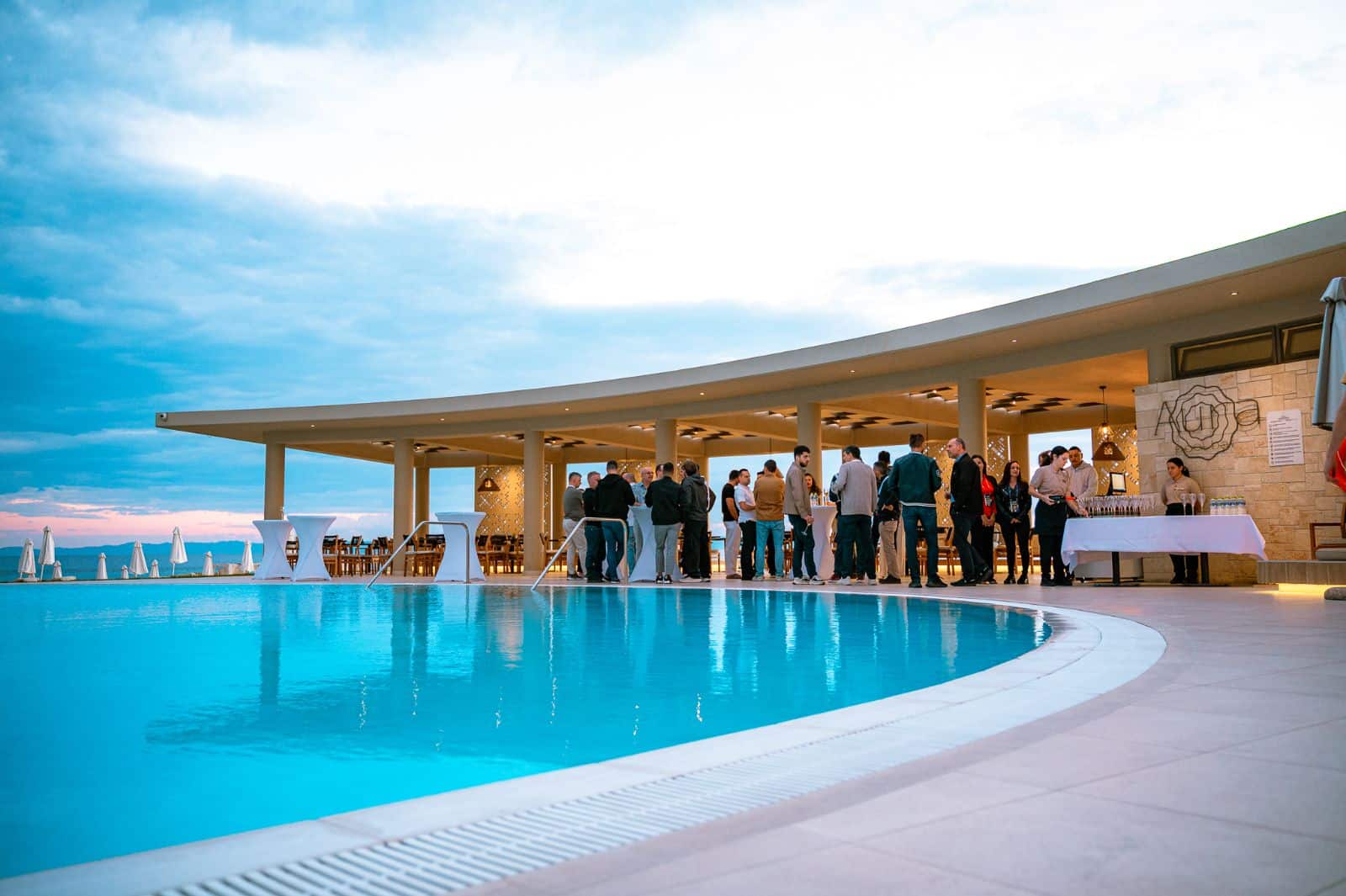
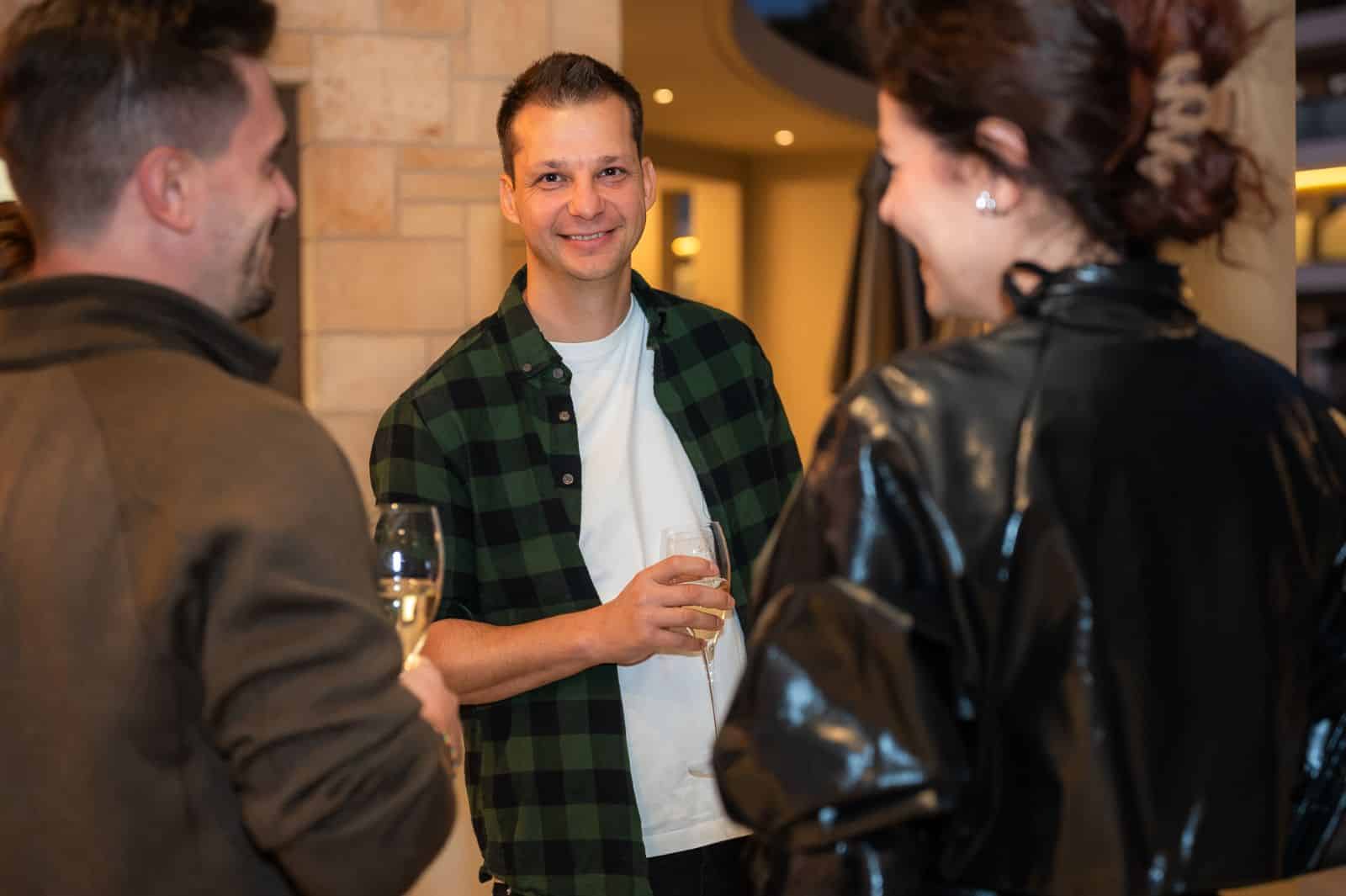
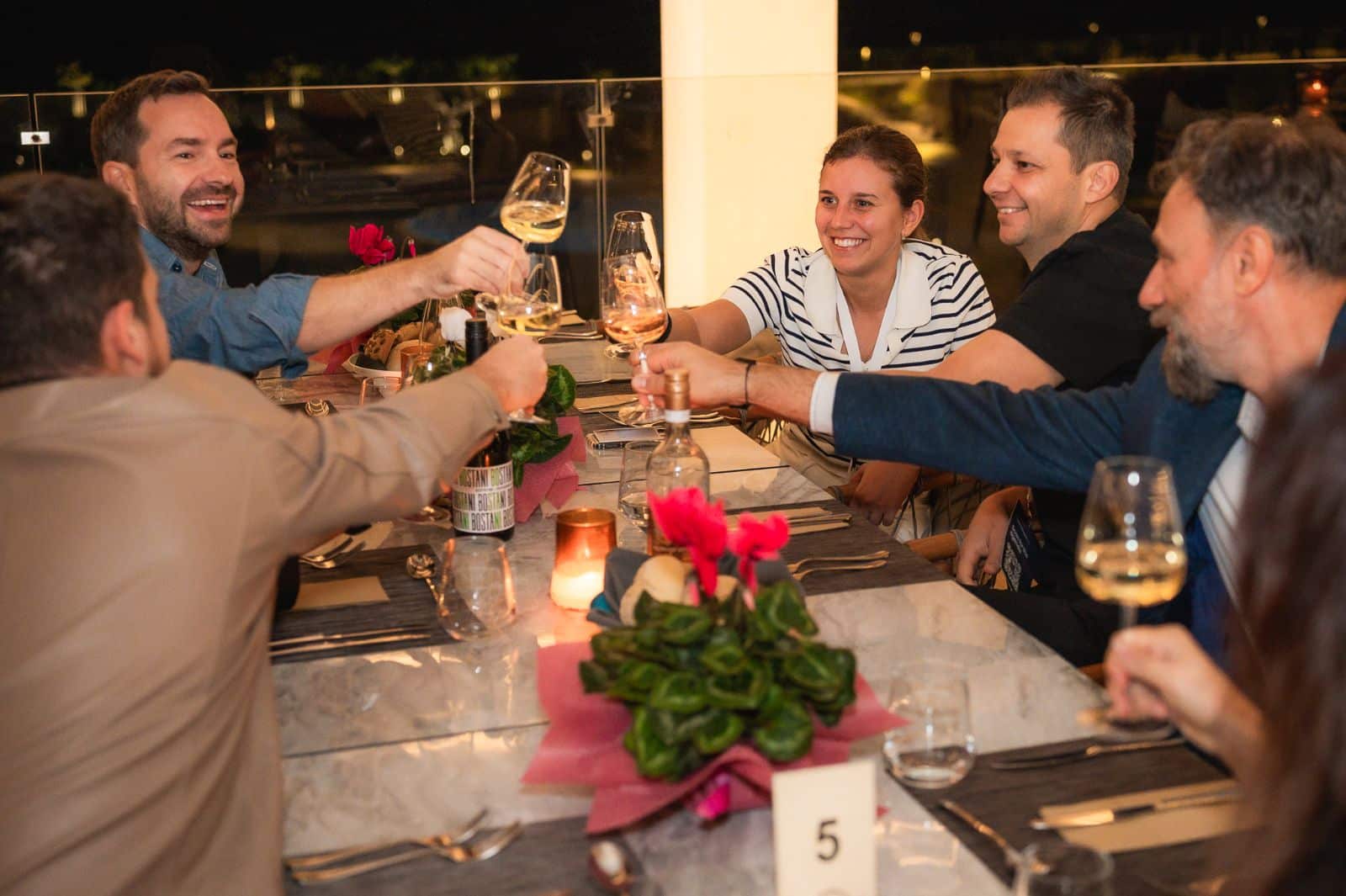
We kicked things off with networking drinks, a laid-back dinner, and plenty of time to catch up before the real whirlwind began.
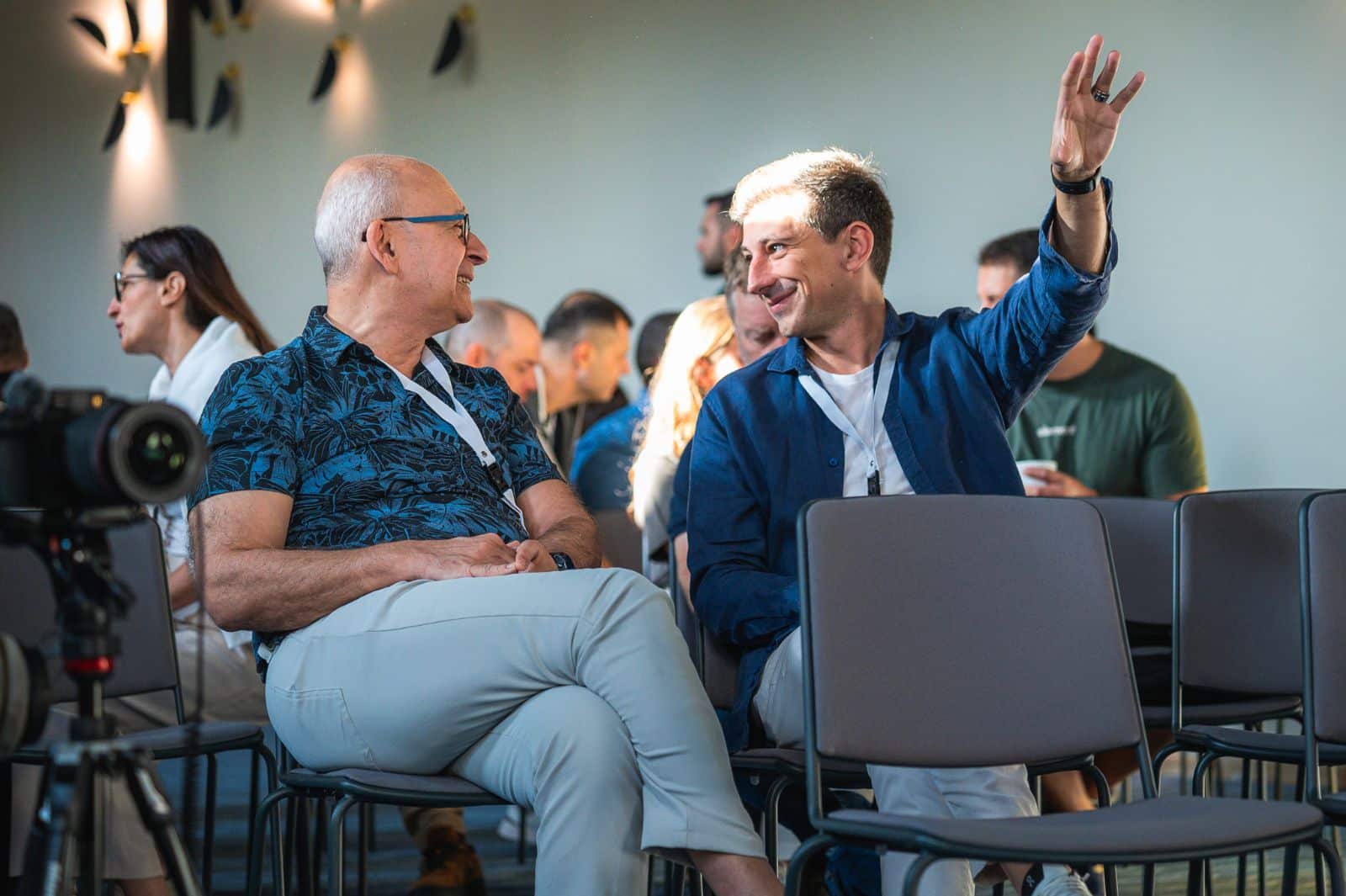
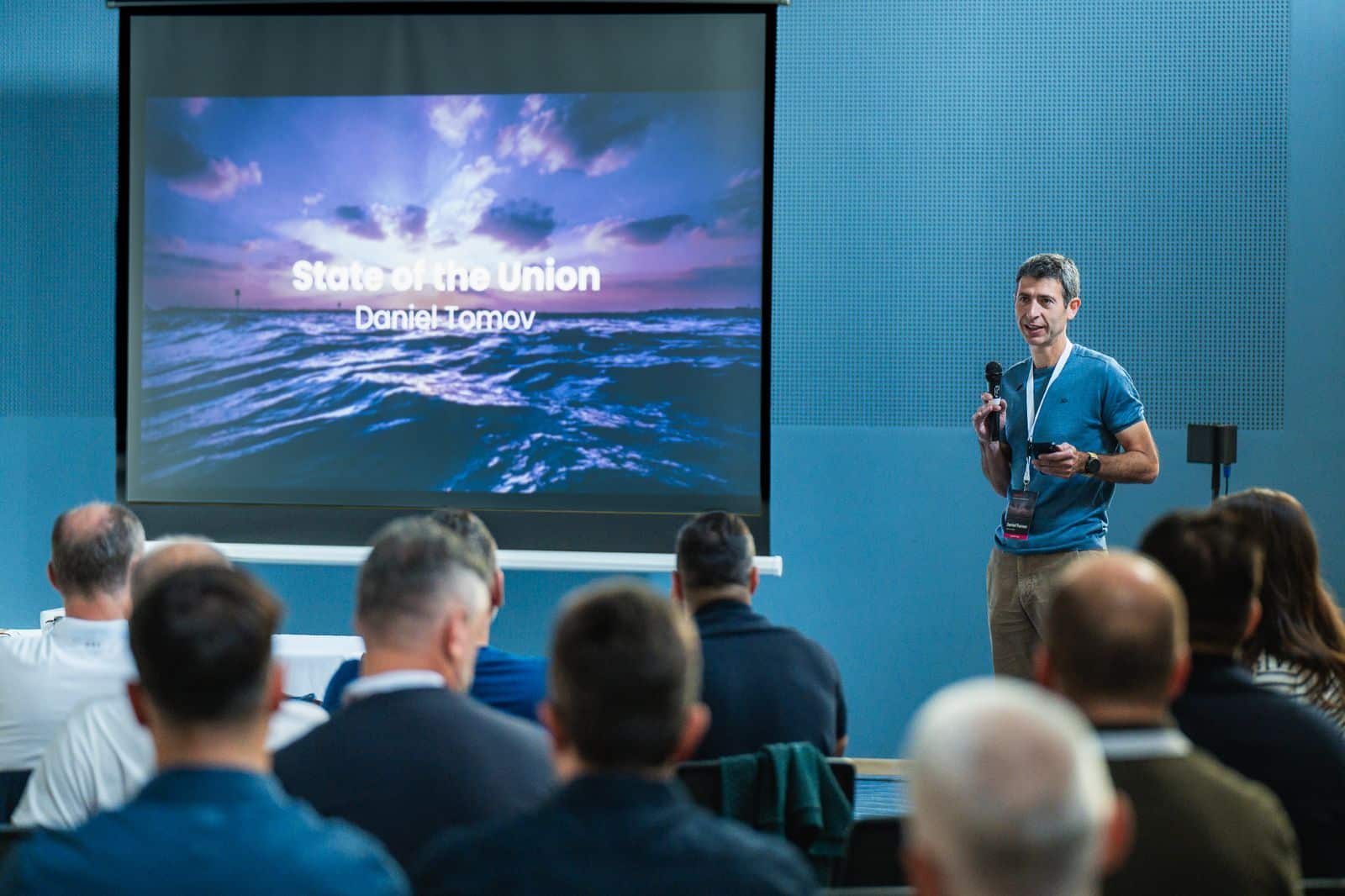
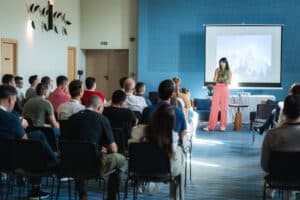
The next day, Daniel Tomov, Founding Partner at Eleven, opened with a clear message – while AI is disrupting markets, it is also giving startups a rare chance to build and scale faster, especially when backed by a strong community.
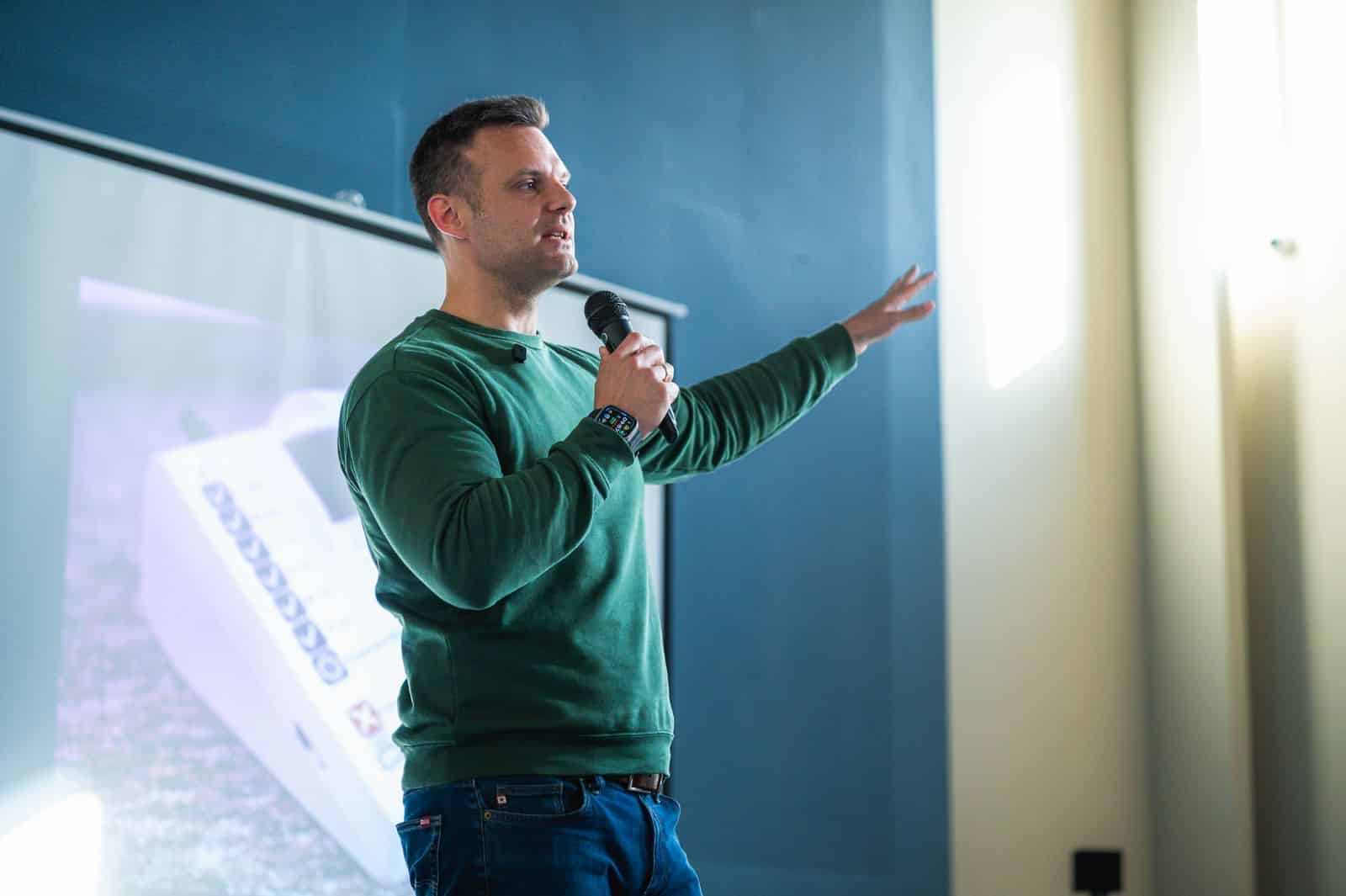
Lech Kaniuk, our Venture Partner in Poland, explored what that requires from founders – move fast, question the default, launch before the product feels perfect, and learn by trying and failing. But speed alone is not enough. Clear communication and empathetic people management matter just as much.
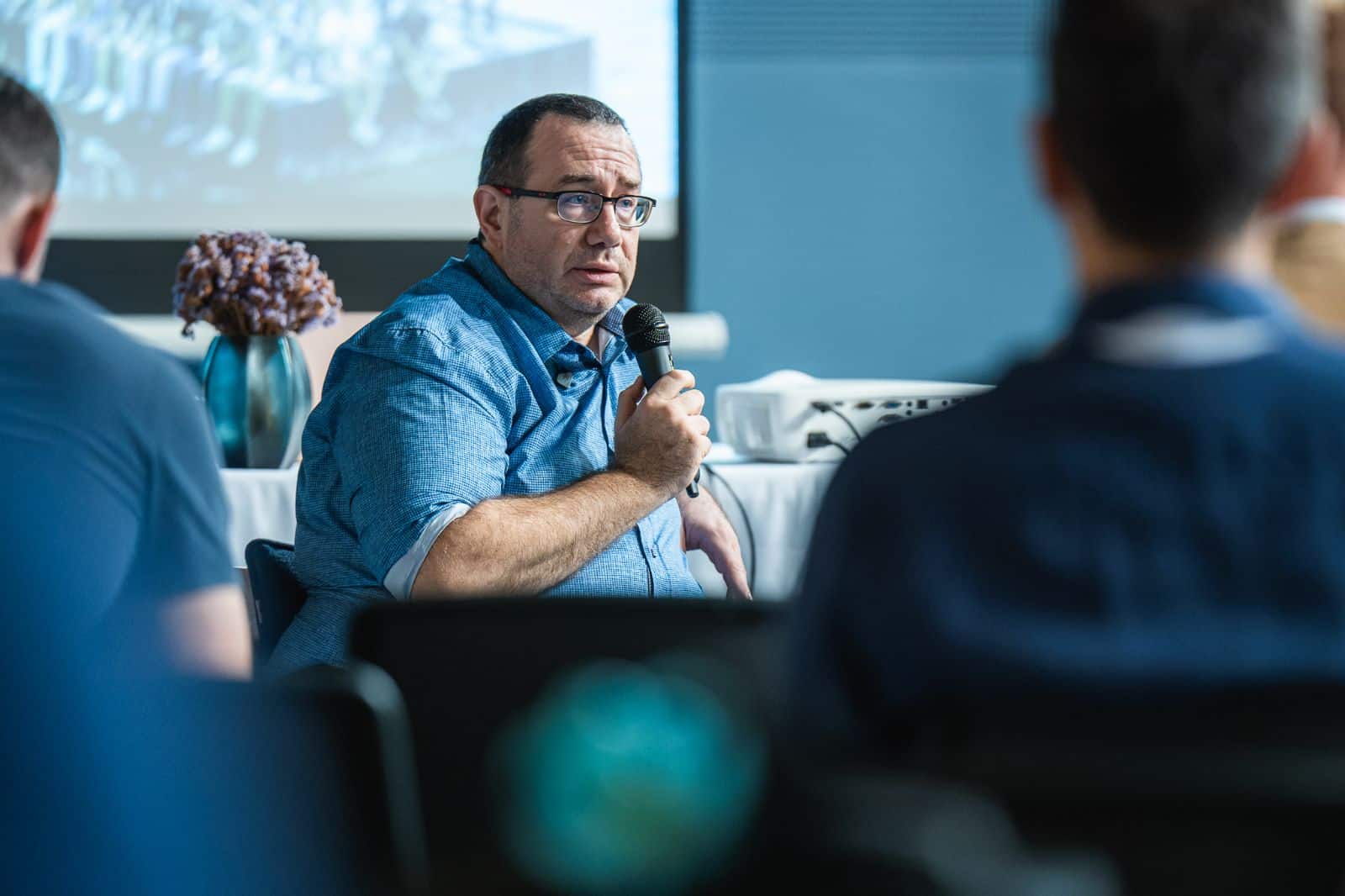
Then Francislav Penov, Principal Software Engineer at Microsoft, brought the discussion back to what AI changes in practice. AI tools are making it possible for solo founders to ship complete products in months. But faster execution is not a substitute for judgment – domain expertise and robust testing still determine whether a product works beyond the demo.
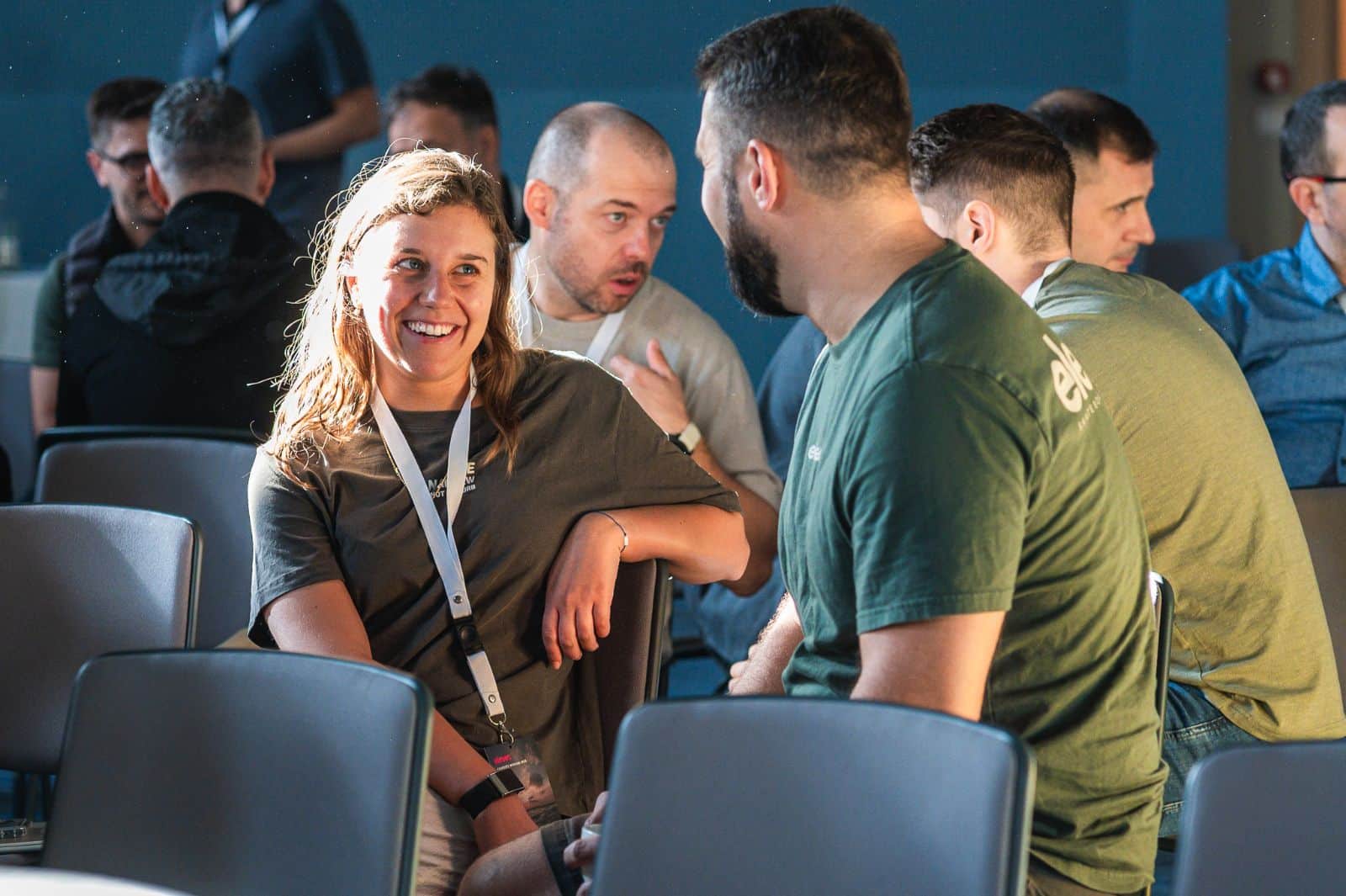
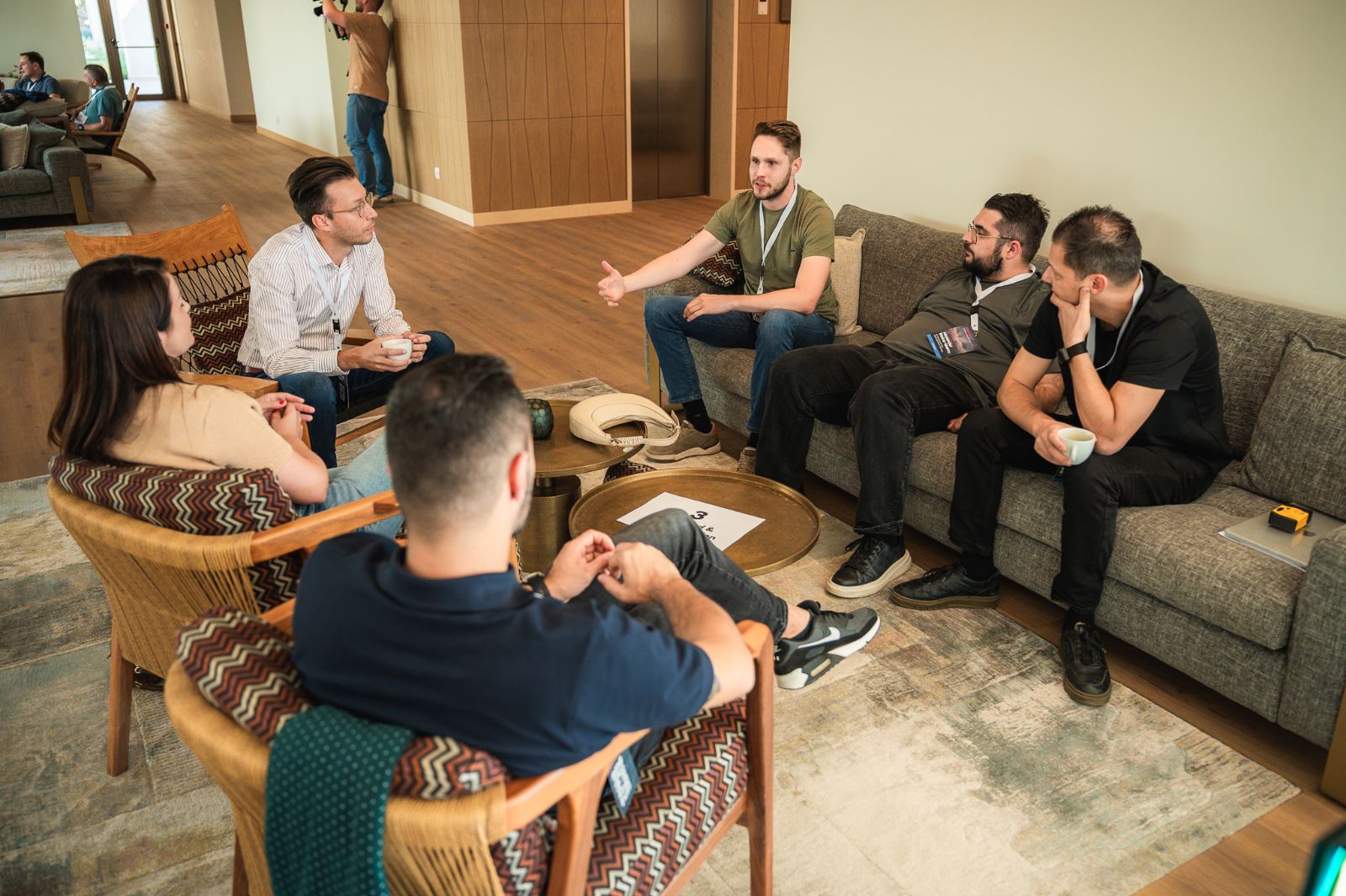
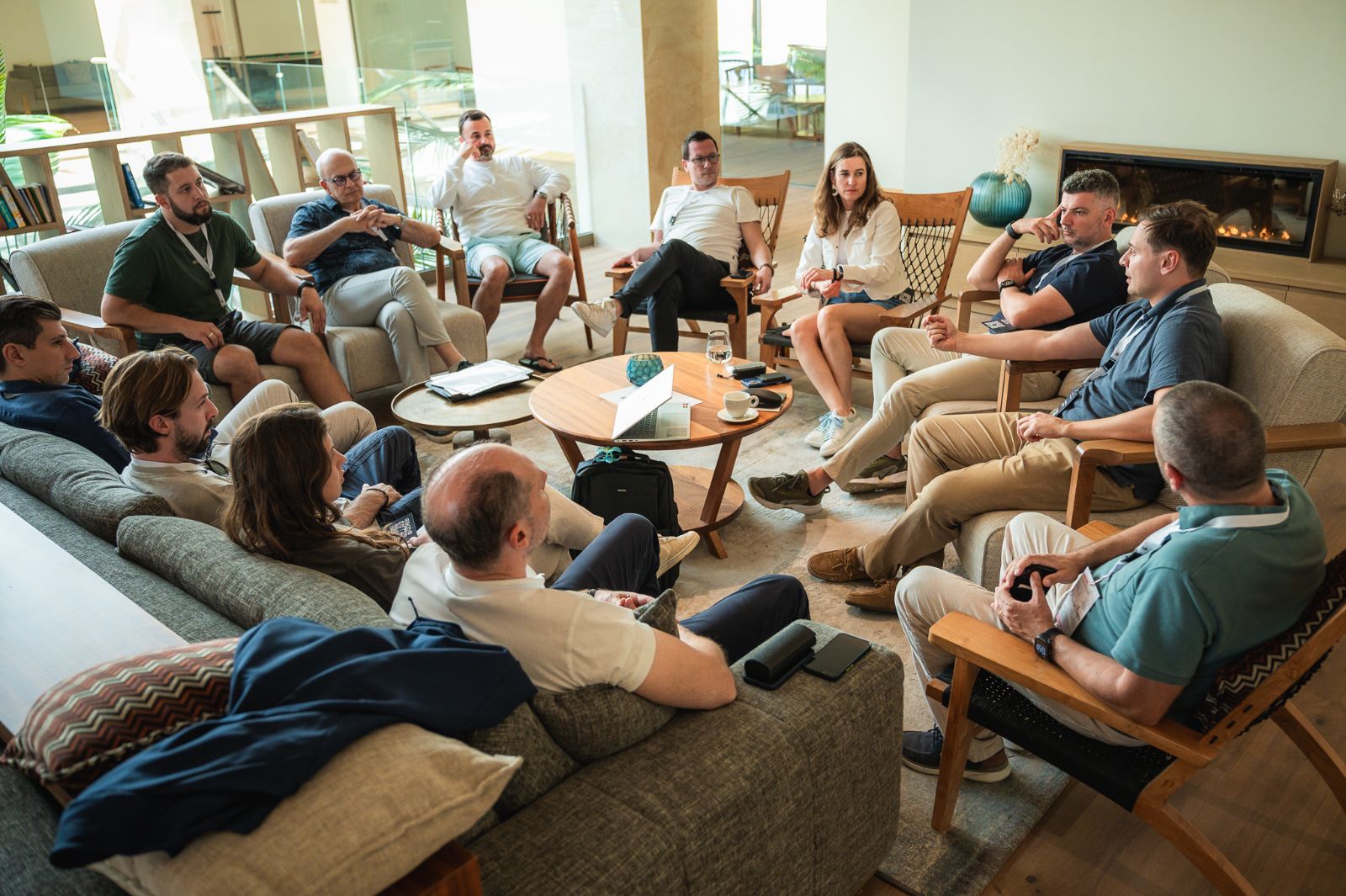
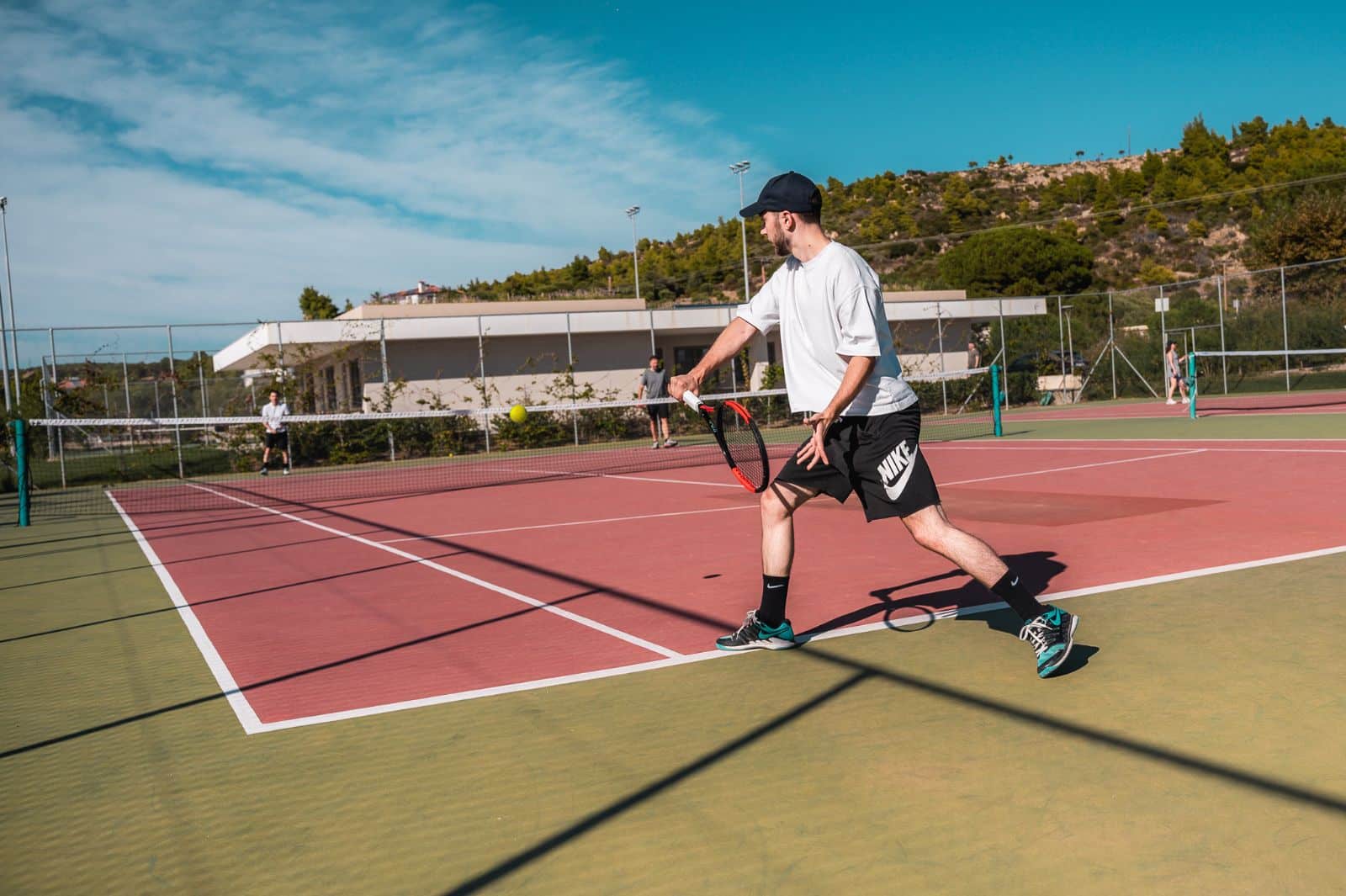
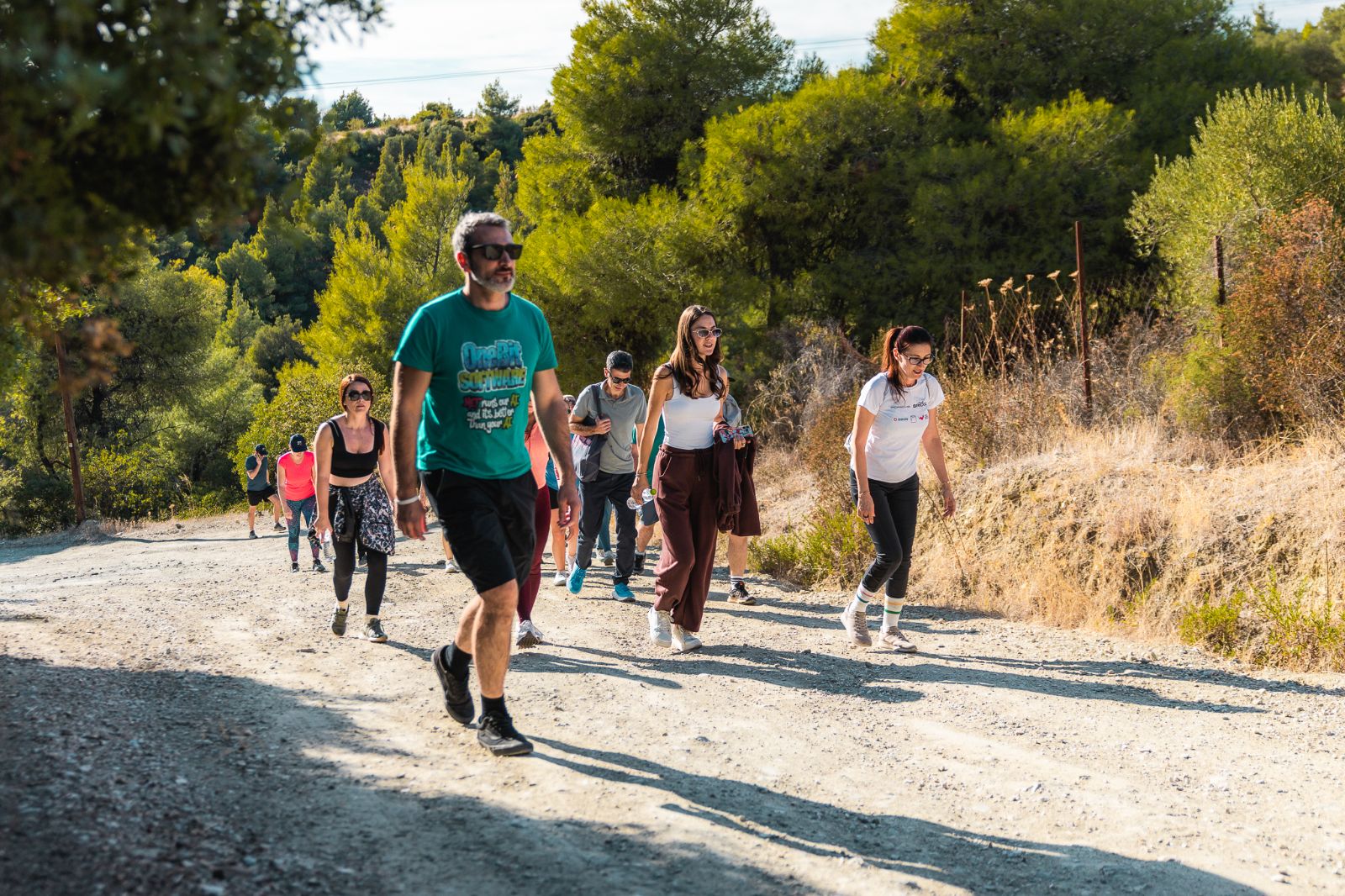
But the point was to take the conversations beyond the stage. The afternoon was reserved for peer-to-peer discussions in small groups on sales and GTM, brand, leadership, the startup lifecycle, and how AI is reshaping all of them. Then it was time to bring the conversations outdoors – tennis, basketball, hiking, and cocktails by the beach.
Another Perspective on Resilience
The following day focused on grit, through the eyes of people who have faced a very different kind of challenge: endurance athletes.
Kiki Tsakaldimi – the first Greek woman to attempt Everest – and ultrarunner Georgi Dobrev shared what it takes to keep going when both body and mind are under pressure.
Kiki’s Everest attempt ended just 600 metres below the summit, but her lesson was not about pushing through at any cost. When conditions make a goal unviable, changing course is a strategic decision, not a failure. Real success means reading the situation honestly, putting safety before ego, and preserving the strength to take on the next challenge.
Georgi, who completed the legendary 246-kilometre Spartathlon last year, spoke about the mental levers that help him push through the wall. From taking in his surroundings to listening to music, podcasts, and personal voice messages from his loved ones. His point: the discipline built through endurance carries into work, relationships, and everyday life.
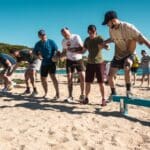
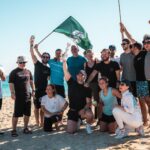
Then came the real test of competitive spirit and grit – our Survivor Game. Words are useless here, so we’ll let the photos do the talking. But oh boy, it was fun. Our favourite battle cry: IPO!
The Elephant in the Room
Naturally, there was one thread running through the sessions, conversations and dinners – AI.
There were concerns, naturally. How to be better leaders? Should we fire people? Where’s the MOAT? But there were also practical success stories from founders who are already finding ways to harness it. The more interesting question wasn’t whether AI can make teams faster. It was what founders chose to do with that speed. As Francislav noted, when a single founder can build in months what once required a full team and much longer timelines, the bottleneck shifts. The advantage is no longer simply execution – it is knowing where to focus.
Lech’s message connected directly to that: don’t wait for perfect certainty or over-engineer your way into inaction. AI gives teams more room to test and adapt. But only if they are willing to change direction where data demands it.
The challenge is no longer whether AI will change the way companies are built. It already is. It’s about whether founders can separate the noise from what creates real leverage: faster learning, leaner teams, better products.
Strength in Numbers
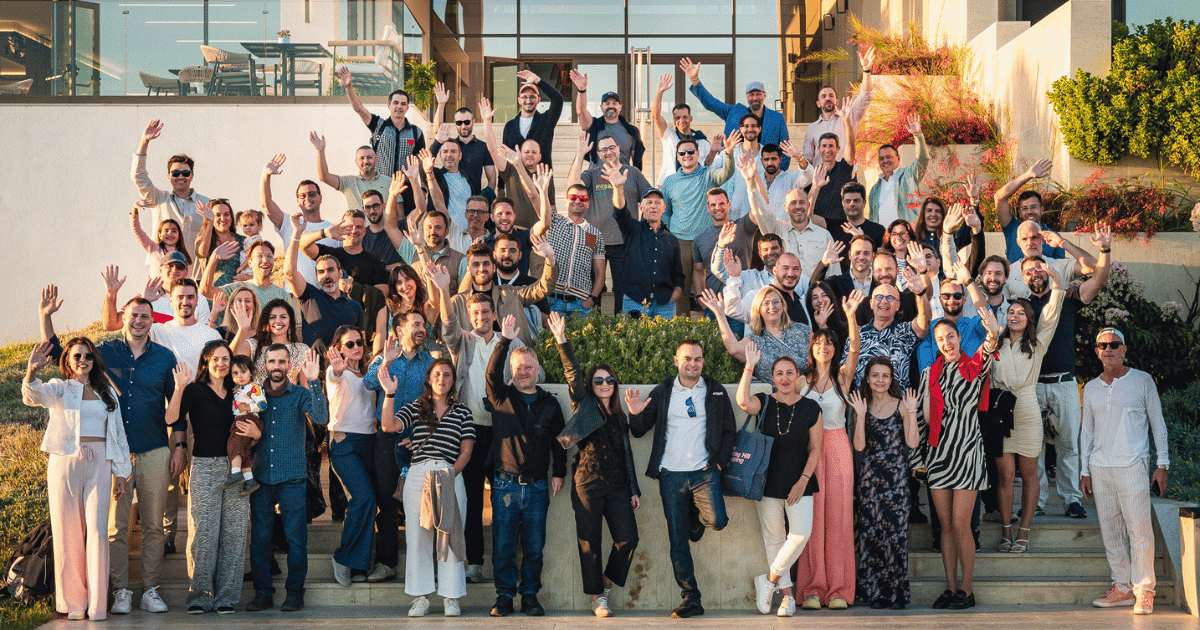
More than anything, Founders Weekend was a reminder that community remains one of the most valuable assets a founder can have.
Seeing founders, mentors and LPs connect around both opportunities and challenges is a real win. People putting their heads together to solve someone’s bottleneck. Sharing hard-earned experience openly. Being truly happy they could help.